Reading path
Mental Health
Start with sleep and isolation, then move into stress biology and help-seeking.
10 articles
Start here
Sleep Deprivation and Mental Health in Men: The Hormonal and Neurological Mechanisms
Sleep loss disrupts testosterone, elevates cortisol, impairs prefrontal function, and creates mood vulnerability indistinguishable from psychiatric disorders.
Choose your next step
- 1Stabilize the foundation
Sleep and social connection shape many downstream symptoms.
- 2Stress and regulation
Use these for cortisol, mindfulness, and practical stress reduction.
- 3Getting support
Understand why men delay care and what tends to help.
Choose your next step
If this is your first visit, use this order to understand the topic, choose the relevant goal, and move from background to action.
Stabilize the foundation
Sleep and social connection shape many downstream symptoms.
Stress and regulation
Use these for cortisol, mindfulness, and practical stress reduction.
Getting support
Understand why men delay care and what tends to help.
All articles
Mental Health
10 articles
 Tier 1 · Mental Health
Recognizing Anxiety's Physical Manifestations in Men and Evidence-Based Management
Men often experience anxiety through physical symptoms like muscle tension, digestive issues, or chest pain, rather than emotional distress.
 Tier 1 · Mental Health
Exercise as a Clinical Intervention for Depression in Men
Exercise is a potent antidepressant, reducing depressive symptoms by 22-30% in men.
 Tier 1 · Mental Health
Male Burnout: Recognition, Neurobiology, and Evidence-Based Recovery
Male burnout is a distinct syndrome of exhaustion, cynicism, and reduced efficacy, often masked by societal pressures.
 Tier 1 · Mental Health
Male Loneliness and Health: The Biological Impact of Social Isolation
Loneliness in men has measurable biological effects on testosterone, cortisol, and immune function. The health consequences rival smoking in mortality risk.
 Tier 1 · Mental Health
Cortisol Management for Men: Evidence-Based Stress Reduction
Chronic cortisol suppresses testosterone, disrupts sleep, impairs cognition, and accelerates aging. These interventions have clinical evidence behind them.
 Tier 1 · Mental Health
Why Men Don't Seek Mental Health Help — and What Actually Works
Men die by suicide at 3–4x the rate of women but use mental health services at half the rate. Specific interventions address each barrier.
 Tier 1 · Mental Health
Mindfulness and Meditation for Men: What the Research Actually Shows
Mindfulness reduces cortisol, improves emotional regulation, and changes brain structure. Clinical evidence is stronger than the wellness reputation suggests.
 Tier 1 · Mental Health
Sleep Deprivation and Mental Health in Men: The Hormonal and Neurological Mechanisms
Sleep loss disrupts testosterone, elevates cortisol, impairs prefrontal function, and creates mood vulnerability indistinguishable from psychiatric disorders.
 Tier 1 · Mental Health
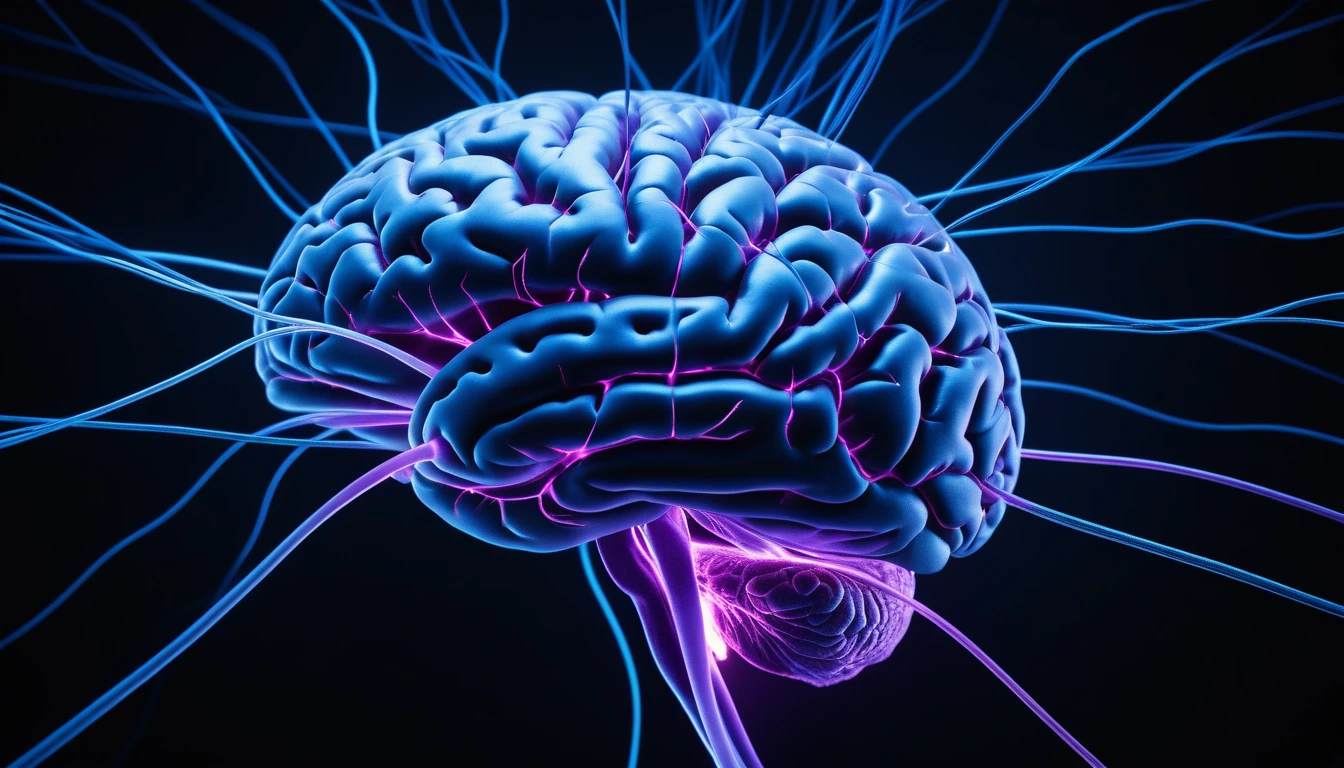
Social Isolation and Male Health: Physical and Psychological Consequences
Social isolation measurably affects testosterone, cortisol, and longevity. Men are disproportionately affected and least likely to seek help.
 Tier 1 · Mental Health
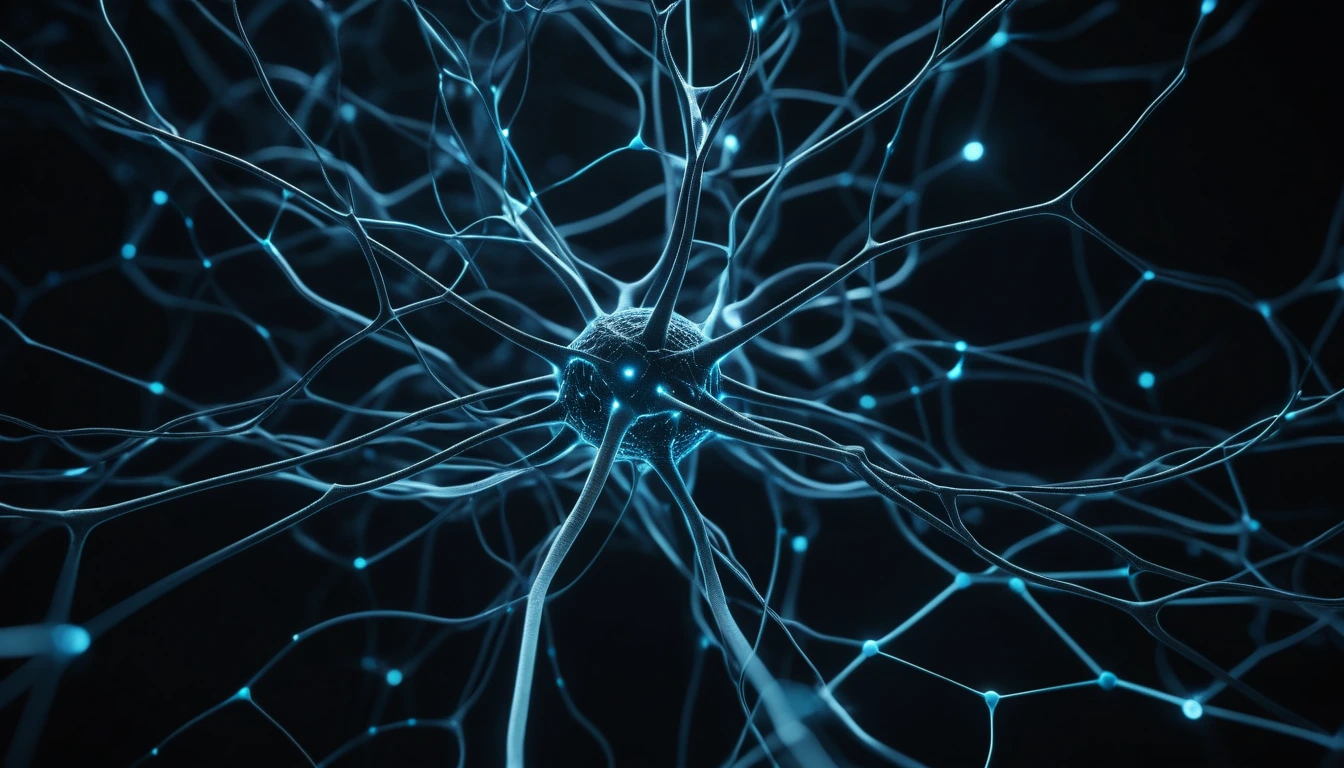
Low Testosterone and Depression in Men: What the Research Shows
Low testosterone and depression overlap in symptoms and cause each other. The androgen-mood axis explains why treating one without the other often fails.